

AI Agents & The Future of Autonomous Digital Systems
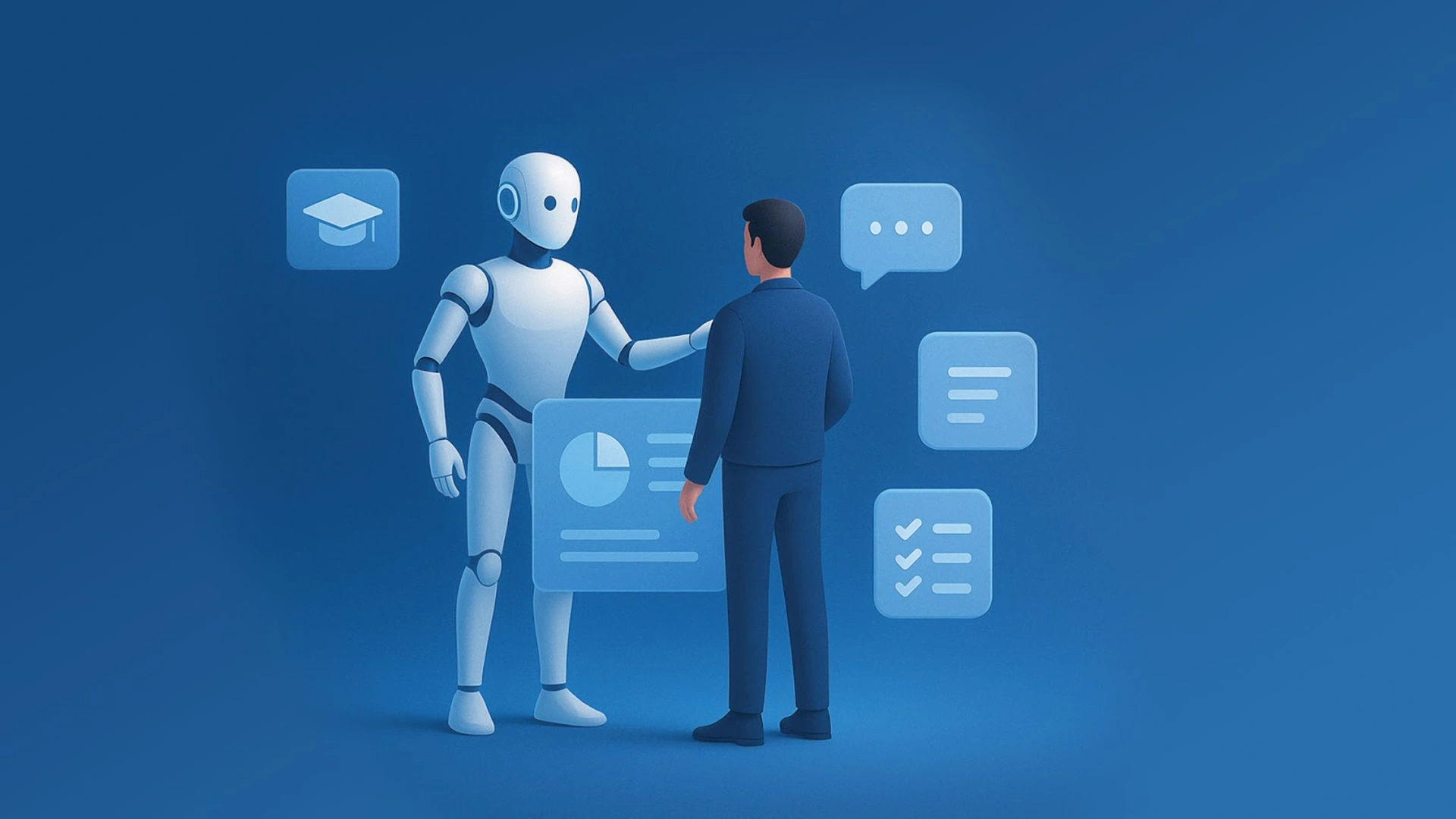
The evolution of artificial intelligence is shifting from simple automation tools to fully autonomous AI agents capable of executing complex tasks independently. Unlike traditional systems that require constant human input, AI agents are designed to perceive environments, make decisions, and take actions with minimal supervision. This shift represents a major transformation in how digital systems operate across industries. Businesses are beginning to adopt these intelligent agents to handle workflows, customer interactions, and decision-making processes in real time. As this technology matures, AI agents are becoming essential components of modern digital infrastructure. They are no longer experimental tools but practical systems driving operational efficiency. This evolution marks the beginning of a new era in intelligent computing.
AI agents differ from standard automation because they can reason, adapt, and learn from ongoing interactions. They do not simply follow predefined instructions but instead analyze situations dynamically and choose the best possible action. This makes them highly effective in environments where conditions frequently change or require contextual understanding. Businesses can deploy these agents to manage support systems, data processing tasks, and even internal decision frameworks. Over time, they improve their performance by learning from outcomes and refining their strategies. This adaptive behavior makes them more powerful than traditional rule-based systems. As a result, organizations are beginning to rely on them for mission-critical operations.
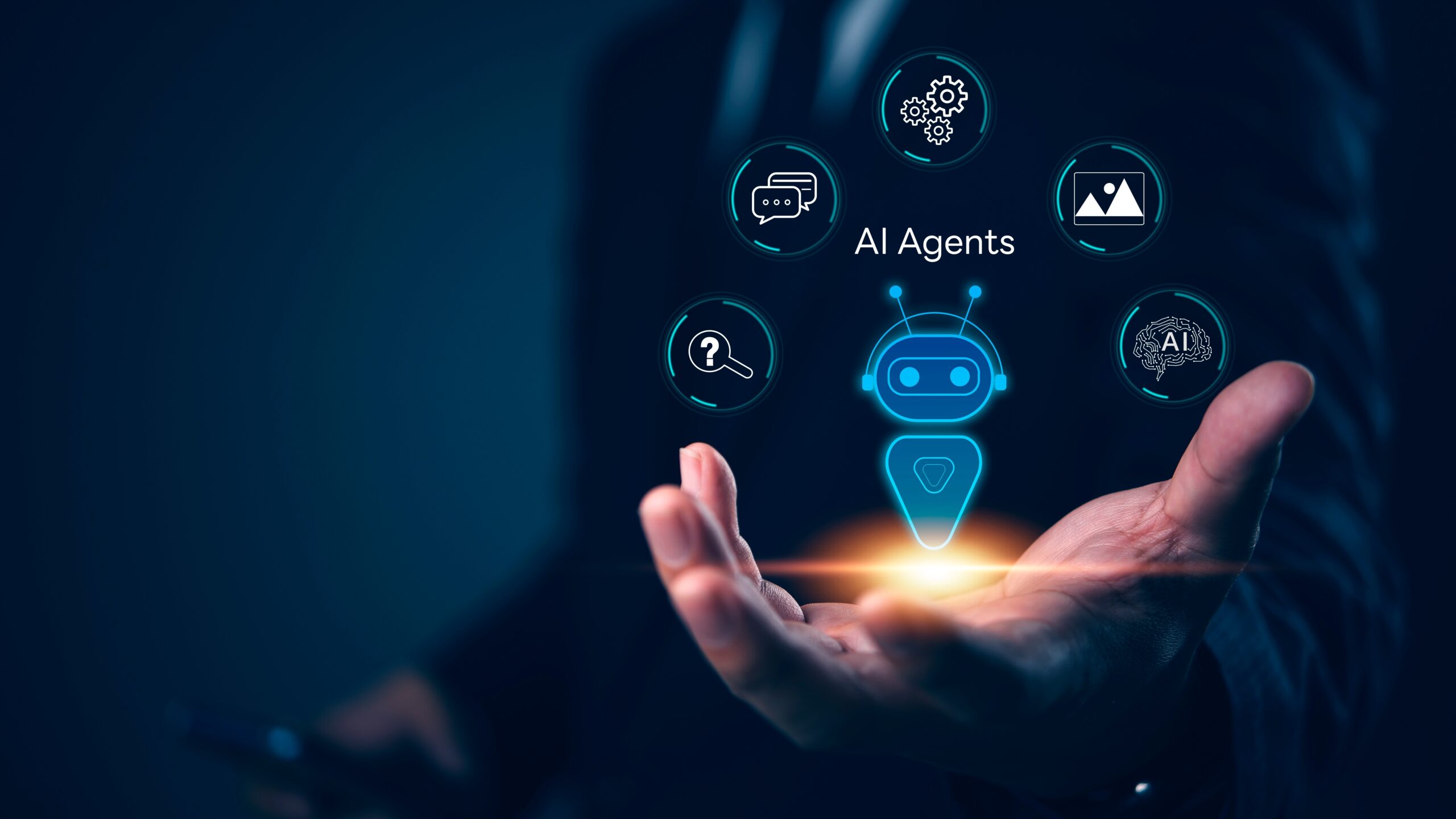
The next evolution of AI is not tools—it is intelligent systems that act independently and learn continuously.
Why AI Agents Are Becoming Important
AI agents are becoming increasingly important because they reduce the need for manual supervision in complex digital environments. They can handle multi-step tasks such as data analysis, communication, scheduling, and system monitoring without continuous human involvement. This allows businesses to scale operations efficiently while maintaining consistency in performance. AI agents also improve response times by making decisions instantly based on available data. They eliminate delays caused by human processing and coordination across teams. In customer-facing applications, they provide instant and accurate responses, improving user satisfaction. Their ability to operate continuously without fatigue makes them highly reliable. This reliability is driving rapid adoption across industries.
Another key advantage of AI agents is their ability to integrate with multiple systems simultaneously. They can connect with APIs, databases, and external tools to perform actions across platforms. This enables a unified workflow where different systems communicate seamlessly through intelligent orchestration. Businesses can use AI agents to automate end-to-end processes without manual intervention. This reduces operational complexity and improves overall system efficiency. Additionally, AI agents can prioritize tasks based on urgency and importance. They optimize workflows dynamically, ensuring better resource utilization. This makes them a powerful solution for modern enterprises.
How AI Agents Are Changing Digital Workflows
AI agents are transforming digital workflows by introducing autonomy into everyday business operations. Instead of relying on static automation rules, organizations can now deploy systems that think and act independently. These agents can manage customer queries, generate reports, analyze data trends, and even trigger business actions automatically. This reduces dependency on human operators for repetitive tasks. It also increases operational speed and reduces errors caused by manual handling. Businesses can execute complex workflows more efficiently using agent-based systems. This shift is improving productivity across departments. It also enables faster decision-making cycles.
In enterprise environments, AI agents can coordinate between multiple systems to complete tasks that previously required human coordination. For example, an agent can retrieve data from one system, analyze it, and update another system automatically. This level of integration improves accuracy and reduces delays in information flow. It also ensures that all systems remain synchronized in real time. As organizations grow, this capability becomes essential for maintaining operational efficiency. AI agents also support scalability by handling increased workloads without additional infrastructure. This makes them highly valuable for growing businesses. They enable seamless expansion without increasing complexity.
The Future of Autonomous Systems
The future of autonomous systems lies in highly intelligent AI agents that can operate independently across digital ecosystems. These systems will be capable of managing entire workflows, making strategic decisions, and optimizing business operations without human intervention. As AI models become more advanced, agents will gain deeper reasoning capabilities and better contextual understanding. This will allow them to operate in more complex environments with higher accuracy. Businesses will increasingly depend on these systems to manage core operations. The role of humans will shift toward supervision and strategic planning. This transformation will redefine digital infrastructure. It will create fully autonomous business environments.
Over time, AI agents will evolve into collaborative digital workers capable of working alongside humans and other systems. They will assist in decision-making, automate entire departments, and improve organizational efficiency at scale. These systems will become more personalized, adapting to specific business needs and industry requirements. They will also improve security and reliability through continuous learning. As adoption increases, AI agents will become a standard component of enterprise architecture. This will lead to more efficient, intelligent, and self-sustaining digital ecosystems. The impact on productivity and innovation will be significant. This marks a major shift in technological evolution.
SmartPosTech Perspective
SmartPosTech is actively focused on developing intelligent AI agent systems that help businesses move beyond traditional automation into fully autonomous digital operations. We design systems that can understand workflows, make decisions, and execute tasks independently across multiple platforms. Our approach combines artificial intelligence, system integration, and automation engineering to build scalable and efficient solutions. We aim to simplify complex business processes through intelligent orchestration. Our AI solutions are designed to work in real-time environments with high reliability. We prioritize adaptability, performance, and seamless integration. This enables businesses to modernize their operations effectively. We are building the foundation for next-generation digital systems.
Our mission is to help organizations adopt AI agents that enhance productivity, reduce operational complexity, and unlock new levels of efficiency. We focus on creating future-ready systems that evolve with business needs. Our solutions are designed for industries such as finance, healthcare, logistics, education, and enterprise technology. We ensure that each system is tailored to specific operational requirements. We believe AI agents will become the backbone of future digital ecosystems. Our goal is to make this technology accessible and practical for real-world use. We support long-term digital transformation strategies. This ensures businesses remain competitive in an intelligent future.
Conclusion
AI agents represent a major shift in how digital systems are designed and operated. They introduce autonomy, intelligence, and adaptability into business workflows. Organizations adopting these systems are gaining significant advantages in speed, efficiency, and scalability. These agents reduce dependency on manual processes and improve overall system reliability. They are becoming essential tools for modern digital transformation. Businesses that embrace this technology early will benefit from stronger operational performance. AI agents are shaping the future of intelligent automation. They are redefining how work is executed in digital environments. This marks the beginning of fully autonomous business systems.
The future belongs to intelligent systems that can operate independently and continuously improve over time. SmartPosTech is committed to building these next-generation AI solutions that empower businesses to evolve into fully autonomous digital ecosystems. We focus on innovation, scalability, and real-world applicability. Our vision is to help organizations transition smoothly into the era of intelligent automation. We aim to redefine how businesses interact with technology. This transformation will lead to faster, smarter, and more efficient global industries. AI agents will play a central role in this evolution. SmartPosTech is building the systems that will power this future.
Leave a Reply